| |
Prostate health will likely be an issue
in nearly every man’s life, beginning around the age
of 50. The right supplements can help, and they consist mainly
of three herbs including saw palmetto, pygeum and stinging
nettles; the minerals selenium and zinc; and the carotenoid
lycopene; with supporting help from vitamin E.
Tried and True
Triumvirate
The herb saw palmetto is so effective at maintaining
prostate health, that it has consistently been one of our
overall top-selling supplements each month for the last ten
years.
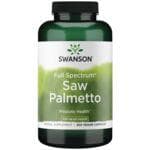
- Saw Palmetto—Essentially saw palmetto is available
in two forms: a whole herb, which provides saw palmetto the
way it appears in nature; and a standardized extract, guaranteed
to provide a certain percentage of fatty acids and sterols
as stated on the label. One formula isn’t necessarily
more beneficial than the other. While a standardized extract
has the reputation of being better because the fatty acid content
is higher, a whole herb formula also provides the other compounds
unique to saw palmetto, and they possibly work synergistically
with the fatty acids and sterols. We offer both forms, and
we recommend that you try each of them to see which one works
best for you.
- Selenium— Selenium
is one of the most researched nutrients in connection with
prostate health. The results of a 2001 Stanford University
study demonstrated strong evidence that selenium is essential
for prostate health, and also that blood levels of this trace
mineral decline with age. In fact, due to mineral-depleted
soils many diets are deficient in selenium. You can read
more about this study and others at www.selenoexcell.com,
the official website of SelenoExcell brand selenium. Selenium
is an important antioxidant in its own right, plus our bodies
need it to make enzymes involved in the production of other
antioxidants like glutathione. Selenium works particularly
well when paired with Vitamin E, as both nutrients appear
to the enhance the functionality of each other, and Vitamin
E has also been identified as beneficial for prostate health.
- Lycopene— Ever
since Jay Leno quipped on his nightly talk show that evidence
points to pizza as health food for men, lycopene has come
to be associated almost entirely with prostate health. In
truth, though, it is beneficial for other concerns, too,
including cardiovascular and vision health. There are sound
reasons that this antioxidant, found abundantly in tomatoes
and made more bioavailable to the body when the tomatoes
are cooked, has become a staple ingredient in many prostate
formulas. The evidence from several important research studies
shows lycopene to be a highly important nutrient for men’s
health.
Small Changes Make a Big Difference
- Buffalo & Fish—Consume less
fatty meats, switching to fish or even buffalo, which
has far less fat than beef. A Harvard study followed 50,000
men for 4 years and found that diets low in saturated
fat, especially the kind in red meat, have an unmistakable
benefit to prostate health.
- Activity—Exercise and watch less
TV. Staying in good shape helps men maintain prostate
health.
- Fruits & Veggies—Learn to
love apples, tomatoes, broccoli, grapes, blueberries
and other fresh fruits and vegetables for their abundant
phytonutrients. Associate them with being young and able-bodied
like you were in your teens and twenties. Processed and fast
foods offer absolutely nothing to help the prostate and force
you to grow old before your time.
- Pumpkin Seeds—Snack on organic
pumpkin seeds for their zinc and compounds that may
prevent the transformation of testosterone to dihydrotestosterone
(DHT).
- 38 G—Has nothing to do with guns
or bras; rather it is the number of grams of fiber a man
needs for overall health including the health of the prostate.
Get used to reading food labels to determine the amount
of fiber you’re consuming. Beans are a great source—just
be sure to take them with an enzyme supplement if necessary!
|
| |
| View
all Men's Prostate Health products |
|
|
 |
|
|
|
|
 |
Important |
|
|
|
|
|
|
|
|
|
|
|
|
|
|
|
|
|
|
|
|